

Research translation and impact communication for African universities, research programmes and NGOs.
Fabled Digital turns research findings and programme results into content that funders, policymakers and communities can understand and act on.
We work across Africa, from Cape Town.
University of Cape TownMSF
ARASA
University of the Western Cape
RUSI
What is research translation and impact communication?
Research translation
is the work of turning research findings into content that people outside academia can understand and use. It might be a policy brief for a ministry, a short film for a community, or a toolkit for practitioners. Funders often call this research uptake or knowledge translation.
Impact communication
shows what a programme or study has changed, and for whom. It turns results, data and lived experience into reports, stories and campaigns that build trust with funders, partners and the public.
The two work best together. Translation helps evidence reach the people who can act on it. Impact communication shows what happened when they did.
Who we work with across Africa
We partner with organisations that produce evidence and need it to travel further:

Funded research programmes and consortia: multi-country projects with research uptake or communication commitments in their grants.
Universities and research institutes: research offices, faculties and centres that want their work seen beyond journals.
Funders and intermediaries: organisations that commission evidence synthesis, impact reports or learning products.
Research-led NGOs and think tanks: teams whose credibility depends on showing the evidence behind their work.

Research only creates change when the right people can find it, understand it and act on it. Across Africa, important evidence often stays locked in reports, academic language or a single country's context.
This work helps you:
Reach decision-makers with evidence framed for policy and practice.
Reach communities in the languages, formats and channels they already use.
Show funders the difference you make, with clear stories backed by data.
Meet research uptake commitments in your grants, with a plan you can report on.
Build your institution's reputation as a trusted source of African evidence.

What can do together?
We use the same communication design principles behind all Fabled Digital work,
and apply it to our research and impact work:
User design: We start with the people your evidence needs to reach, such as a health worker, a policymaker or a funder. We map what they need to know, what they already believe and what will help them act.
Content production: We choose the format and channel that fits each audience, from policy briefs and impact reports to film, podcasts and learning content. Everything stays accurate to the research.
Impactful outcomes: We design with the end action in mind, whether that's a policy change, a behaviour shift or renewed funding. Then we help you track whether it happened.
Story runs through all three. We think of your audiences as people, not users, and stories move people. That's how we make evidence memorable without losing its rigour.
Our structures are flexible. You can work with us on a single report, a full grant-length uptake strategy, or a monthly retainer.
-
A plan for who needs your evidence, how to reach them, and how to measure it. This can be built into a grant proposal.
-
Short, decision-ready documents drawn from papers and reports.
-
Results, data and stories structured for funders and partners.
-
Short films and case stories that show change through the people it affected.
-
Series that share research and lived experience with wider audiences.
-
Courses, toolkits and facilitator guides that put research into practice.
-
Materials adapted for different languages, literacy levels and low-bandwidth channels.
-
Infographics, visuals and narratives that make findings clear at a glance.
See the work
-
![]()
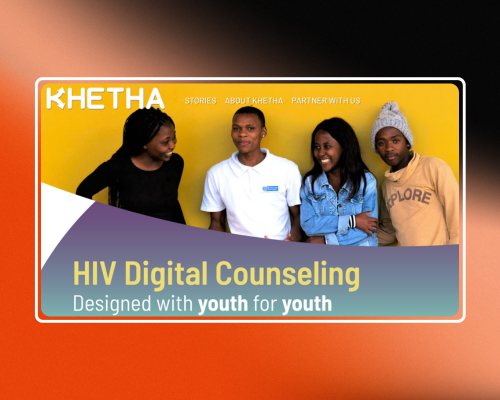
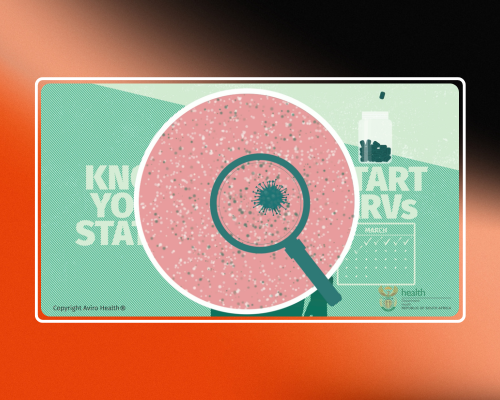
With Khetha, we put the youth at the centre of the design process and we crafted content that supported what they needed in order to actively change their health behaviour to minimise their risk of HIV infection.
-
![]()
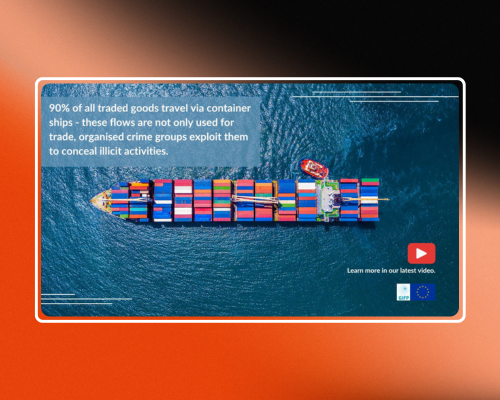
We needed to take big concepts and translate them to an easy to understand, visual format, that would leave the audience understanding the exact purpose of the project.
-
![]()
Health budgeting is complex to understand and tricky to relate to. We used animations and storytelling to add a message that brought the ideas into the real world.
-
![]()
When we sat down to plan how we were going to go about creating a digital HIV syllabus, we knew that we needed to have the our audience at the heart of the experience.
Clarity Backed by Expertise
Science communication usually aims to inform the public. Research translation is more targeted: it adapts specific findings for the people who can act on them, such as policymakers, practitioners or communities.
What's the difference between research translation and science communication?
1
Yes. We can draft a communication strategy, with audiences, activities, timelines and indicators, ready to include in your proposal.
Can you help us write the communication section of a grant proposal?
2
Yes. We're based in Cape Town and work with universities, research programmes and NGOs across Africa, including multi-country projects.
Do you work outside South Africa?
3
How do you keep the research accurate?
4
We work closely with your researchers from the start. Every piece is reviewed against the source evidence before it's published.
Yes. We design multilingual content and adapt formats for different audiences, literacy levels and low-bandwidth settings.
Can you create content in more than one language?
5
How do we start?
5
Book a free 30-minute consultation. We'll help you define the communication problem and explore approaches that fit your budget.
Your evidence deserves to be used.
Whether you're planning a grant, reporting on a programme or sharing new findings, we'll help your research reach the people who can act on it.